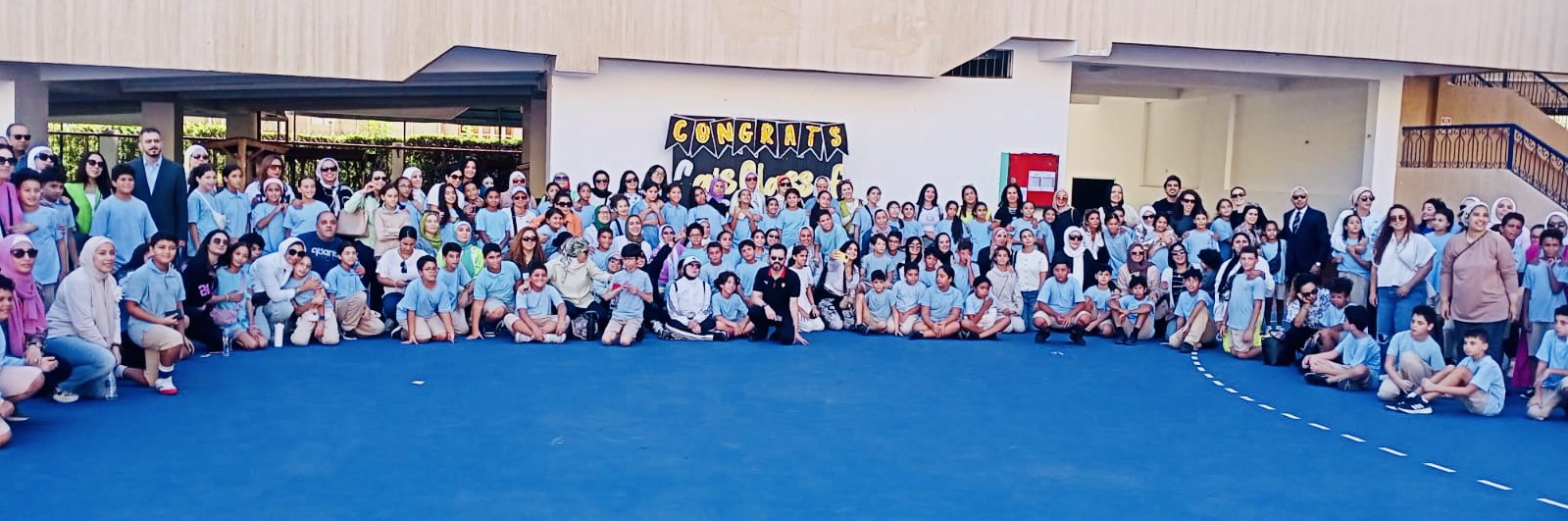




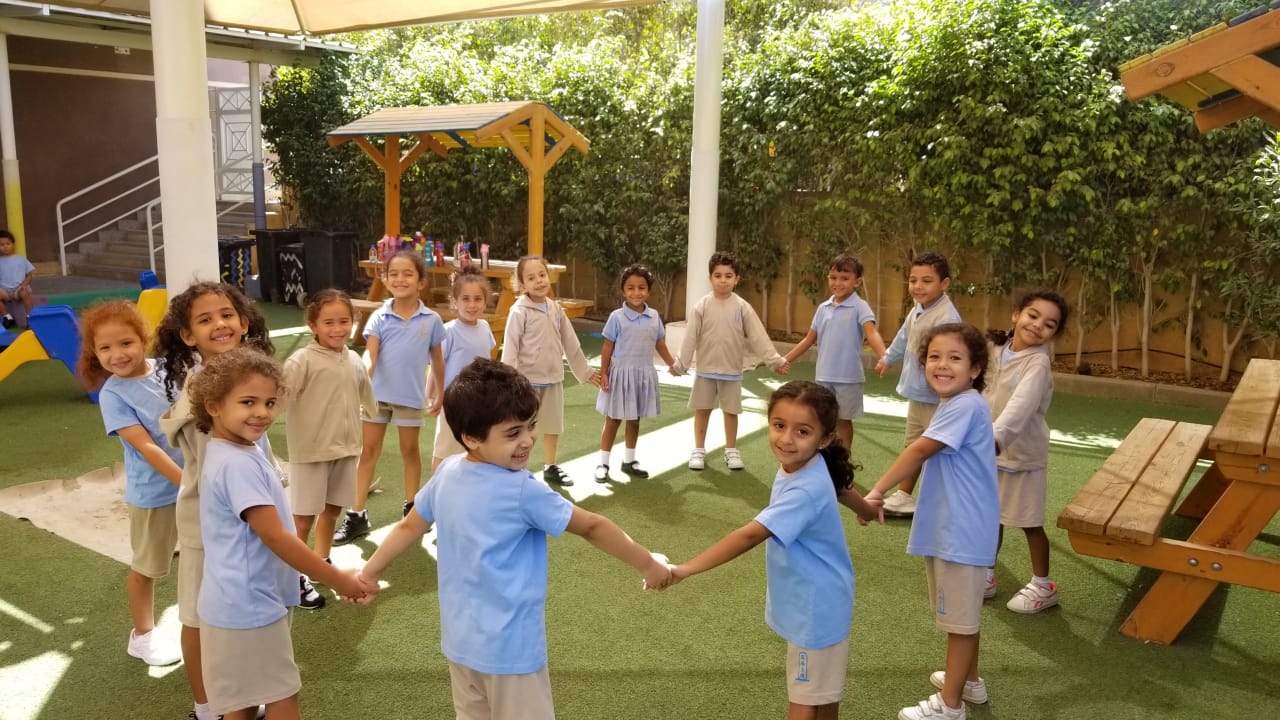
Our mission
EAIS Mission:
Our goal is to impart academic knowledge and life skills that build respectful, responsible, and confident students who can:
* Work collaboratively as critical thinkers and problem solvers
* Excel academically
* Become effective and conscientious leaders
We teach for life to empower our students to succeed beyond schooling and contribute positively to their communities.
EAIS Six Keys:
* Critical Thinking
* Problem Solving
* Academic Excellence
* Citizenship
* Collaboration
* Leadership
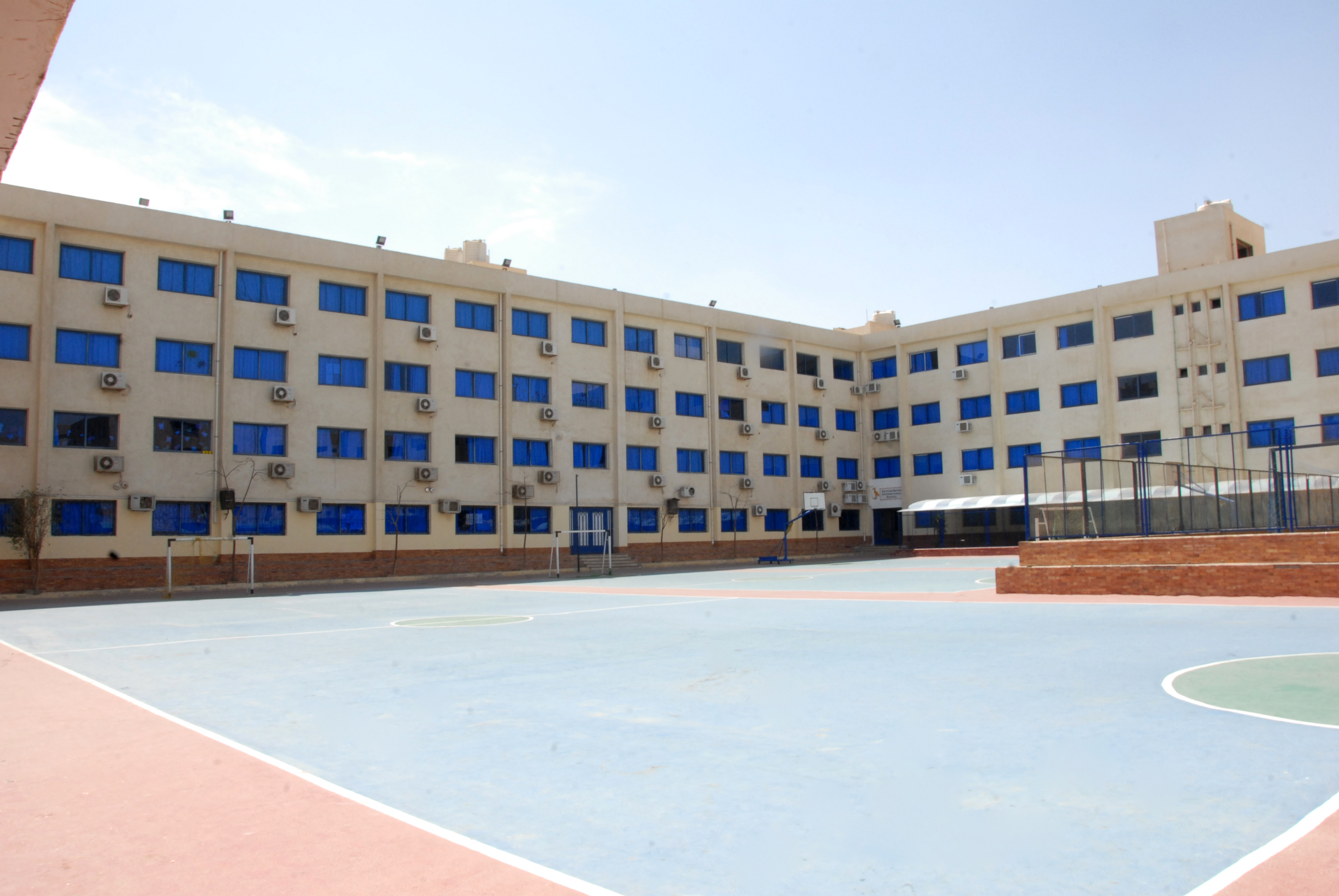
facilities
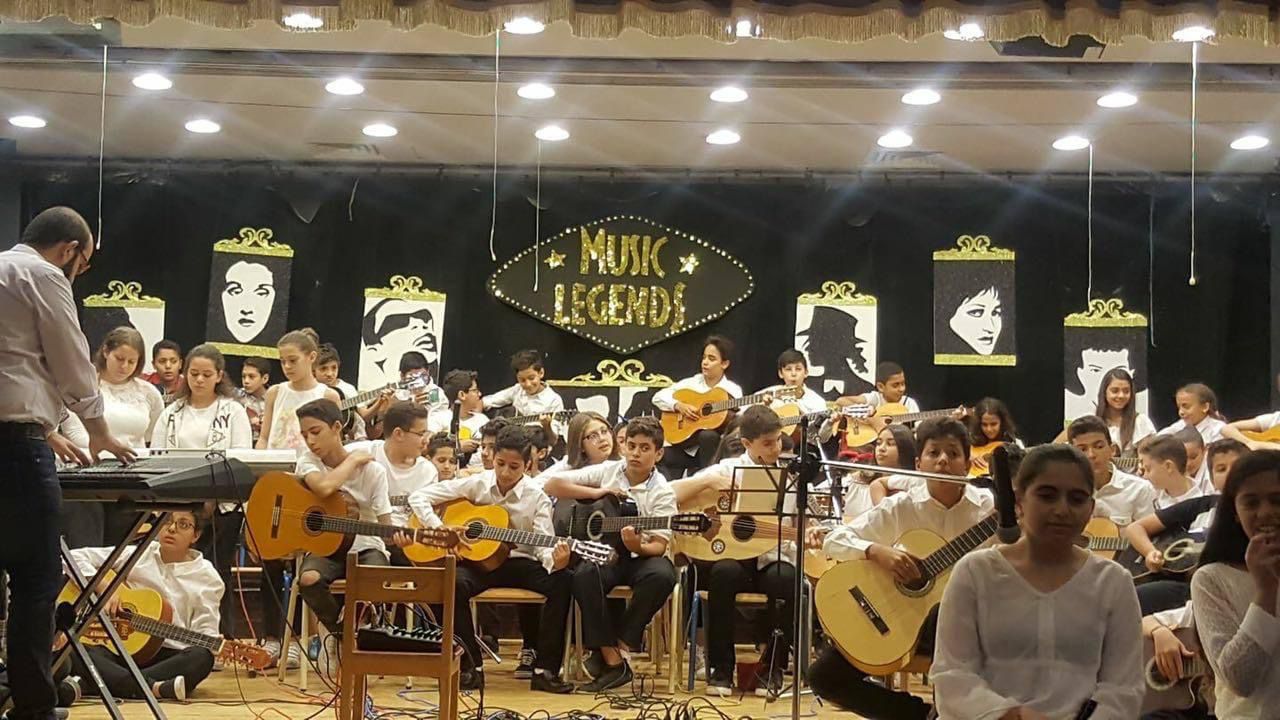
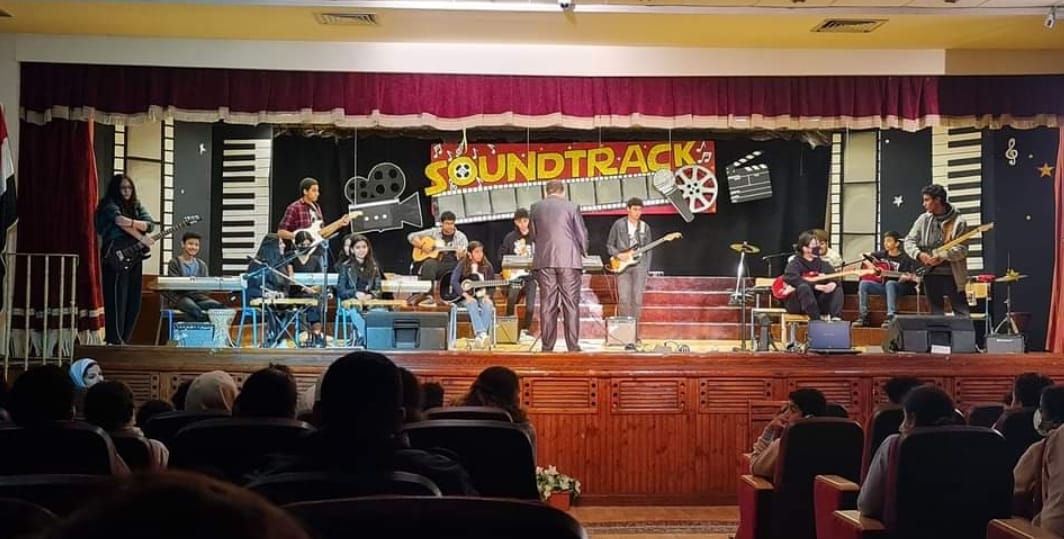
Music Studio
facilities
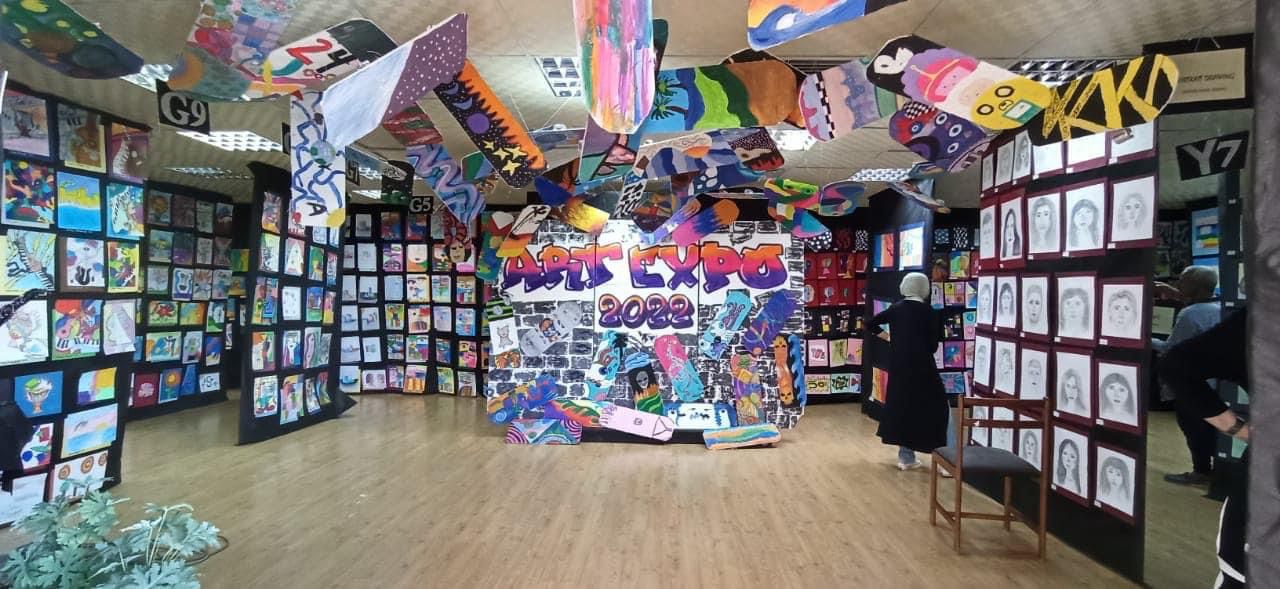
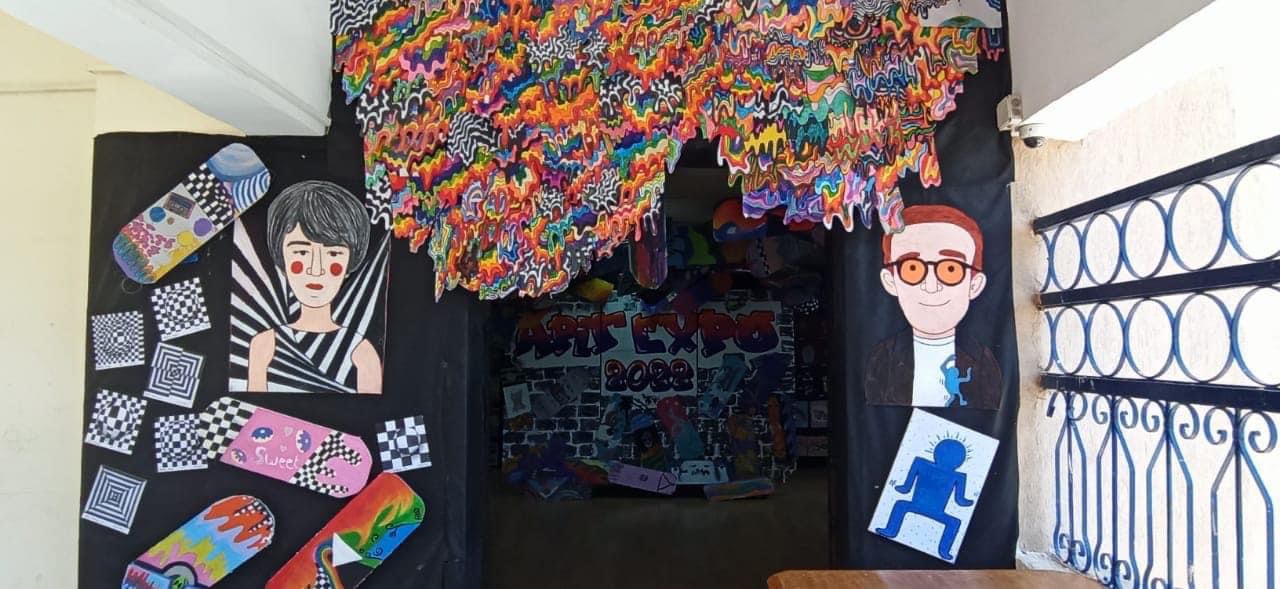
Art Studio
facilities
Interactive Learning
facilities
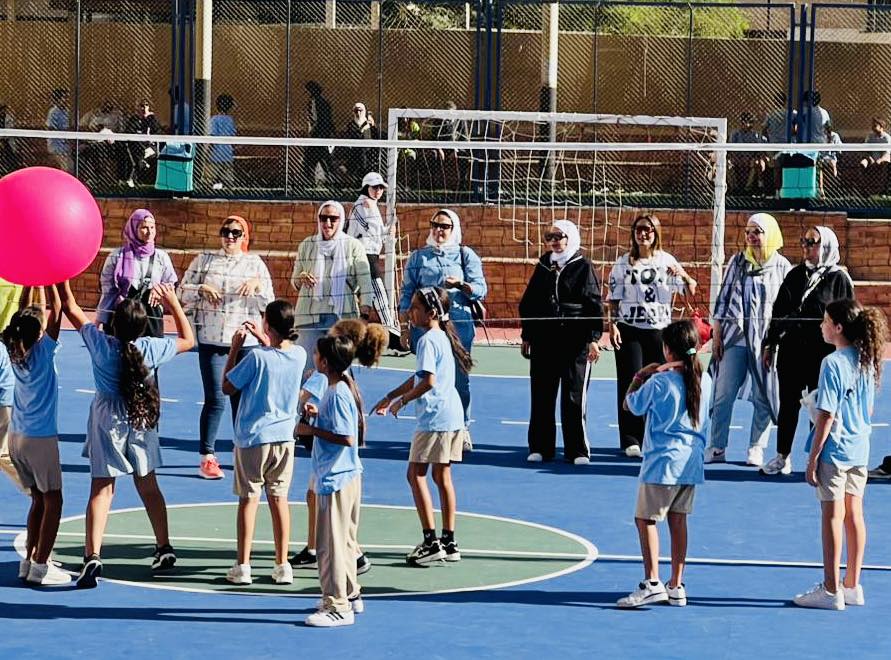

Physical Education Facilities
facilities
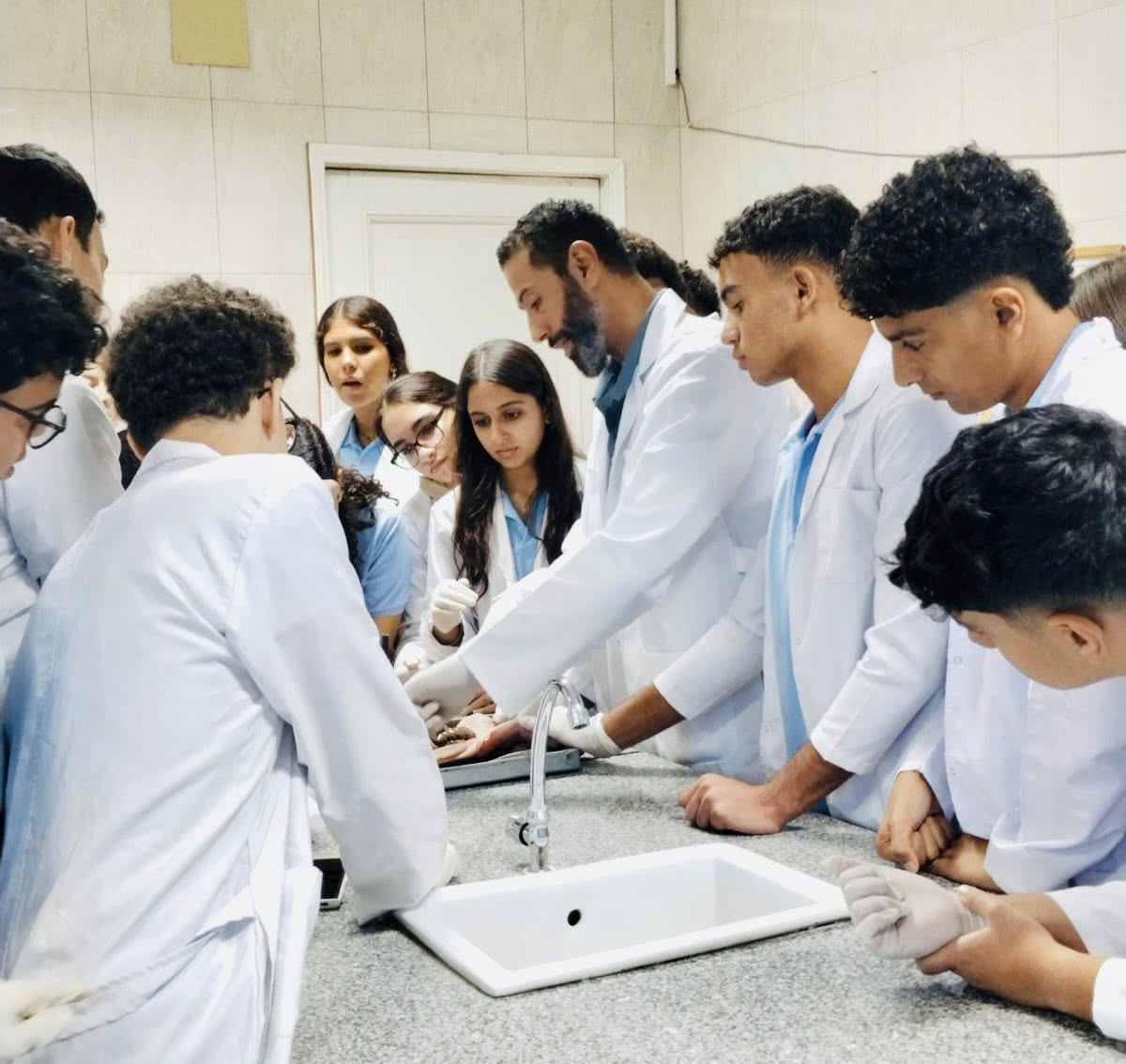
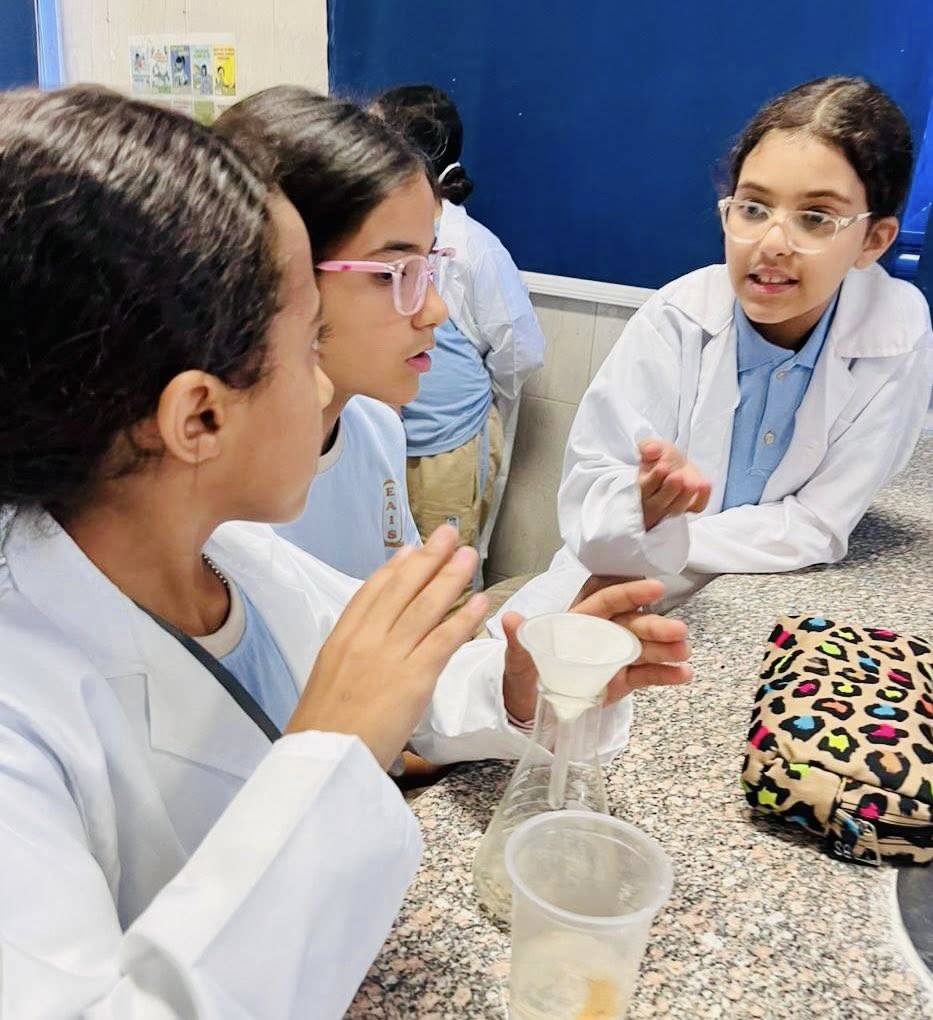
Fully Equipped Laboratories
facilities
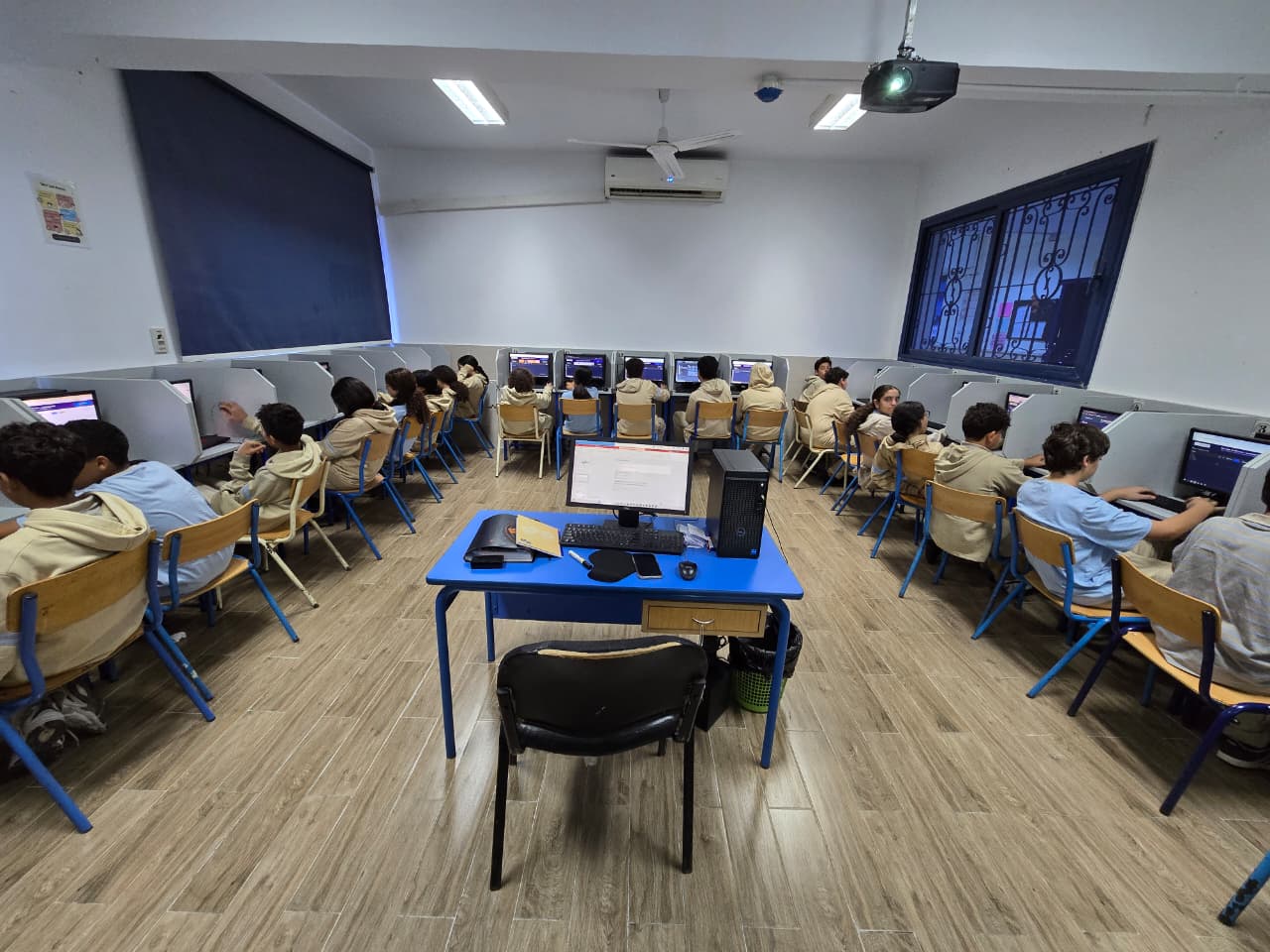
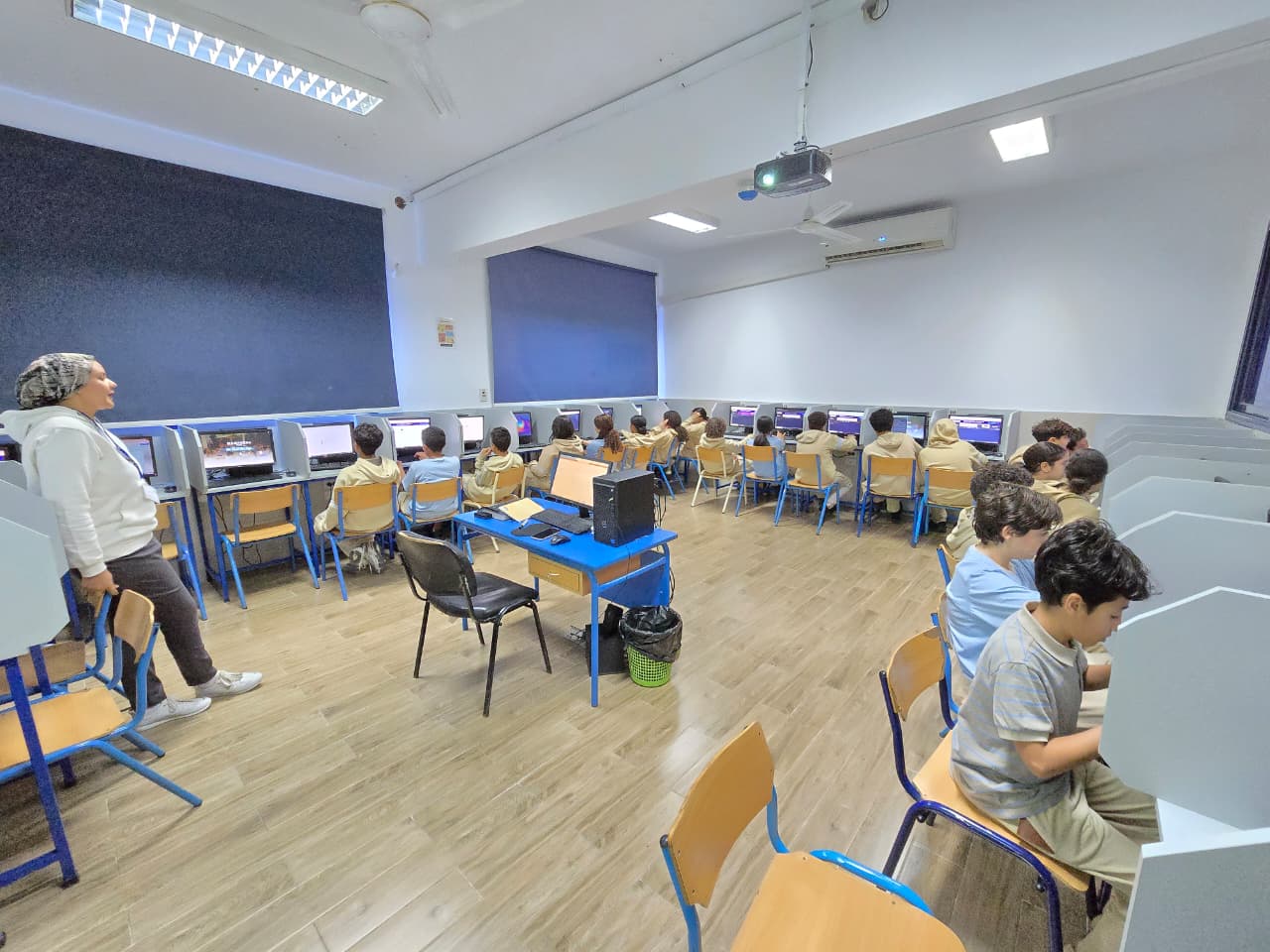
Computer Laboratories
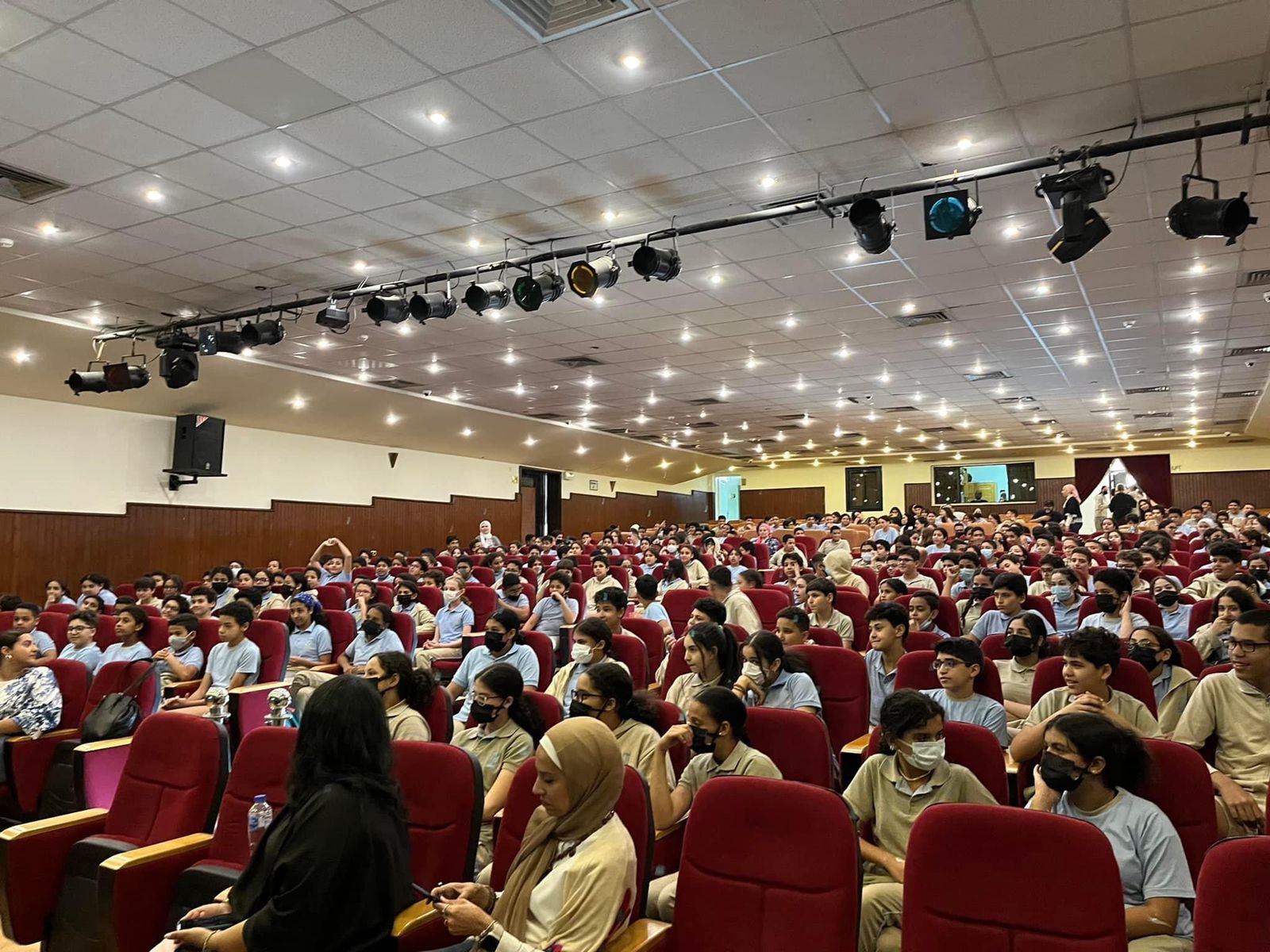
PROFESSIONAL DEVELOPMENT
Professional Learning environment is of crucial importance in order for a school to become a true learning organization where staff members continually strive to be at the leading edge of knowledge about education.
EAIS professional development program aims to create an environment for learning and growth for educators and administrators that increases, enhances, and revitalizes the professional knowledge and skills of all campus personnel.
The program is committed to serving the educational needs of school members as enhancing the skills of faculty and staff will ultimately enhance the school’s abilities to meet our vision and mission. While each individual is responsible for his/her own development, EAIS is committed to providing resources and opportunities for learning.
STUDENT COUNCIL
Student Council elections were held this academic year on October 1st where students elected representatives for the 5 upper council offices namely President, Vice-President, Secretary and Treasurer.
A secret ballot system electoral system is managed by the Social Studies Department to simulate real-life elections. Department teachers worked with their students across all grade levels; teaching concepts of democracy, elections and the importance of voting to prepare our students for life experiences.
The council also includes class representatives for each class in all grade levels. This council ensures that students’ concerns are communicated with the school administration and organizes many school events.
Home School Relations
Children learn best when the significant adults in their lives — parents, teachers, and other family and community members — work together to encourage and support them. This basic fact should be a guiding principle as we think about how schools should be organized and how children should be taught. Schools alone cannot address all of a child’s developmental needs: The meaningful involvement of parents and support from the community are essential.
The need for a strong partnership between schools and families to educate children may seem like common sense. In simpler times, this relationship was natural and easy to maintain. Teachers and parents were often neighbors and found many occasions to discuss a child’s progress. Children heard the same messages from teachers and parents and understood that they were expected to uphold the same standards at home and at school.
Weekly Posts
Students and parents can access weekly academic materials through ClassDojo (Grades 1–4) and Google Classroom (Grades 5–12), with email updates to keep parents informed and involved in their child’s learning.
Parents’ Open House /Welcome meetings